
Rosh HaShanah Jewish New Year

Erev Rosh HaShanah 2026: Friday evening September 11

Day 1: Saturday September 12, 2026

Day 2: Sunday September 13, 2026

Observed on the 1st and 2nd days of Tishrei, the beginning of ten days of earnest reflection, repentance and prayer.


What is Rosh HaShanah?

Rosh HaShanah literally means 'Head of the Year' in Hebrew. It is the beginning of ten days of earnest reflection and prayers when we repent the sins we have committed in the past year and pledge to do better in the year to come. The spirit of this day is therefore solemn, and we spend much of the day in prayer.

Rosh HaShanah is observed on the 1st and 2nd days of Tishrei, which is the seventh month of the Jewish year. Tradition holds that one day is not enough for all the searching of the heart that is called for.
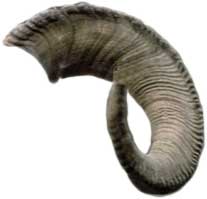
A ram's horn shofar

A ram's horn is traditionally used to make a shofar, the horn or trumpet blown on Rosh HaShanah.

Rosh HaShanah is also considered to be the birthday of the world, the birthday of Adam (the first man), the day on which Sarah first learned that she would have Isaac, and the day Isaac was born. It is also the day on which Hannah learned that she would have a child.

Different names for Rosh HaShanah

There are a number of alternate names by which Rosh HaShanah is also known. Each of these alternate names tells us something about the day:

  • Yom Teruah – The Day of the Blowing (of the trumpets)
  • Yom HaZikaron – The Day of Remembrance
  • Zichron Teruah – Tribute to the Blowing (of the trumpets)
  • Yom HaDin – The Day of Judgment
  • Yom HaKeseh – The Day of Concealment. Israel conceals its greatness in awe of this time of judgement; our sins are forgiven and concealed by God.

Content on this page has been reproduced with the kind permission of BJE – Board of Jewish Education NSW. BJE inspires the Jewish Identity of our Community's youth by providing a comprehensive Jewish education in NSW State Schools.

TOP